Classic French Toast Recipe My Family Begs For Every Weekend
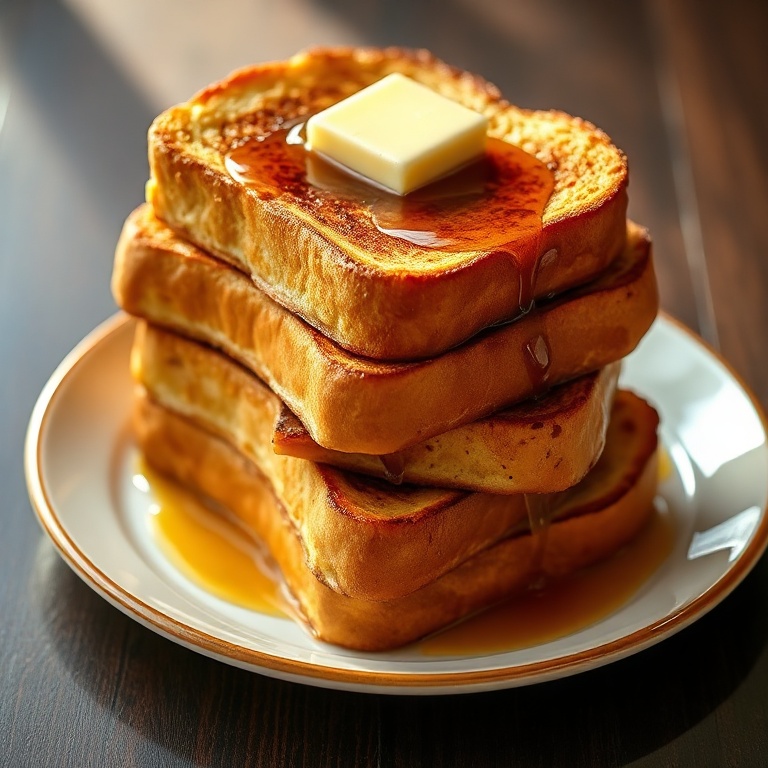
Classic French toast recipe delivers golden, cozy slices every time. Many struggle with soggy or bland toast. After making this dozens of times, the trick I discovered is soaking just long enough—never too much. Crisp edges meet a creamy middle—that aroma is pure comfort. If you like easy savory breakfasts, try my Creamy Tomato Garlic Pasta with White Wine Sauce next. Jump to the recipe card or keep reading for my best tips. If you love recipes like this, you’ll also enjoy Creamy Tomato Garlic Pasta with White Wine Sauce and Cream Cheese Broccoli Stuffed Chicken Breast Recipe.
Why This Classic French Toast Recipe My Family Begs For Every Weekend Is Pure Comfort
- Golden exterior and custardy interior for the perfect texture balance every time.
- Easy technique with just pantry staples—no fancy bread required, but I’ll show you what works best.
- Make-ahead potential for busy mornings or crowds without sacrificing quality.
- Reliable, craveable comfort—this is the French toast my family requests year-round.
What You'll Need for Classic French Toast Recipe My Family Begs For Every Weekend
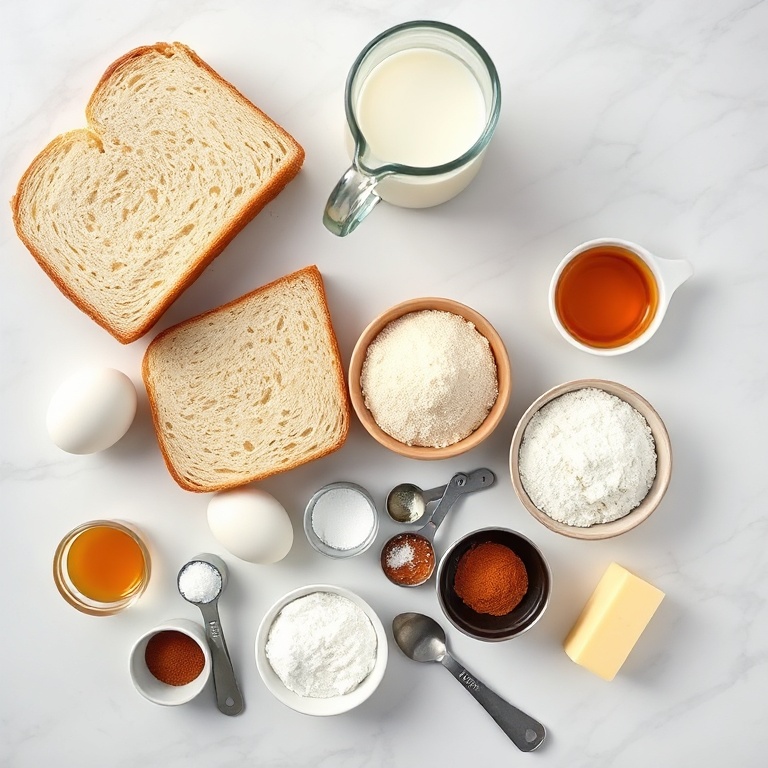
Choosing the right ingredients makes a big difference, but this recipe is forgiving enough to work with what you have.
- 6 slices day-old thick bread (brioche, challah, or Texas toast)
- 3 large eggs
- 3/4 cup whole milk
- 2 tablespoons granulated sugar
- 1 tablespoon unsalted butter (for frying)
- 1 teaspoon pure vanilla extract
- 3/4 teaspoon ground cinnamon
- 1/8 teaspoon ground nutmeg
- Pinch kosher salt
- Optional: Powdered sugar
- Optional: Maple syrup
- Optional: Fresh berries
- Optional: Whipped cream
- Optional: Extra butter
📝 Ingredient Notes
- Bread: Day-old or slightly stale bread prevents sogginess and absorbs the custard evenly. Fresh bread can turn mushy.
- Eggs: Room temperature eggs yield a smoother custard mixture—cold eggs can clump and not mix well.
- Milk: Whole milk makes the custard rich and creamy. Lower fat milk will give a thinner batter and lighter taste.
- Butter: Adds flavor and helps develop those signature crispy edges, but watch the heat to avoid burning.
- Vanilla & Cinnamon: Essential to classic flavor—don’t skip for that nostalgic French toast aroma.
🛒 Tools & Equipment I Recommend
- Nonstick Griddle — Prevents sticking and delivers even browning—no more patchy or burnt spots. Pays for itself compared to brunch out. → See on Amazon
- Wide Shallow Baking Dish — Lets you dip multiple slices at once without crowding. This keeps soaking even and prevents breakage. → See on Amazon
How to Make Classic French Toast Recipe My Family Begs For Every Weekend
- Prepare the bread: Lay out bread slices in a single layer. If your bread is too fresh, dry in a low oven (200°F) for 8-10 minutes to prevent sogginess.
- Mix the custard: In a shallow baking dish, whisk together eggs, milk, sugar, vanilla, cinnamon, nutmeg, and salt until fully combined and no streaks remain.
- Soak the bread: Dip each bread slice in the custard for 15-30 seconds per side. Press gently to help soak, but do not oversaturate or bread will break.
- Heat the pan: Heat 1 tablespoon butter on a nonstick griddle or large skillet over medium heat until melted and foamy—but not browned.
- Cook the French toast: Place soaked bread on the pan. Cook for 3-4 minutes per side until deeply golden and lightly crisp. Adjust heat as needed to prevent burning.
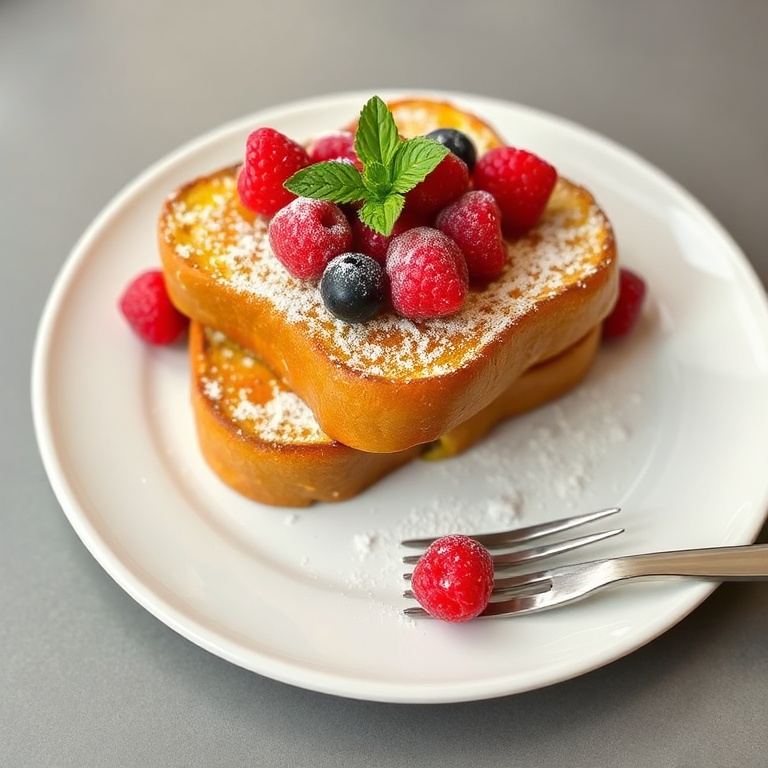
- Serve: Serve hot with powdered sugar, maple syrup, fresh berries, or your favorite toppings.
Cook's Tips for Perfect Classic French Toast Recipe My Family Begs For Every Weekend
- Bread texture: Use slightly stale bread at least 3/4" thick. This keeps the inside creamy, never mushy, and helps crisp the outside when frying.
- Common mistake and fix: Soaking too long causes soggy, eggy slices. To fix, dip each side briefly—no more than 30 seconds. If using fresh bread, dry it first in the oven.
- Cookware: A nonstick griddle or heavy skillet heats more evenly than a thin pan, preventing burnt spots and inconsistent batches.
- Custard consistency: Whisk until smooth, fully integrated, and aerated so you don’t taste pockets of egg in the finished toast.
Storing & Reheating Classic French Toast Recipe My Family Begs For Every Weekend
Short-Term Storage
Store in an airtight container in the fridge. Store cooled French toast in an airtight container for up to 3 days. Layer with parchment if stacking to prevent sticking. Make-ahead tip: Mix custard and prep bread the night before. Dip and cook in the morning for freshest results.
Freezing Classic French Toast Recipe My Family Begs For Every Weekend
Freeze cooked slices on a baking sheet, then transfer to a zip-top freezer bag. Keep up to 2 months. Reheat from frozen for best texture.
How to Reheat Without Drying It Out
Oven: Preheat oven to 350°F. Arrange slices in a single layer and bake 8-10 minutes until heated through and edges re-crisp. Microwave: Heat individual slices on a microwave-safe plate for 20–30 seconds. The texture won’t stay crisp but works for quick meals.
Recipe Notes
- Chef tip: Let the bread sit for a few minutes after cooking—heat redistributes, giving you an even creaminess instead of a dry center.
- Best substitution: If you don’t have whole milk, use half-and-half for a richer custard or 2% for lighter results.
- Make-ahead: French toast freezes well—reheat directly from frozen for best crispness. Prep custard mix and bread separately for overnight guests.
- Scaling: Easily double or triple the custard and bread for a crowd by using a baking sheet and oven-proof rack to keep slices warm.
- Troubleshooting: If your toast turns out soggy, you either soaked too long or used overly soft bread. Dry out fresh bread in a low oven before dipping.
Want to level up this recipe?
Flexible Wide Spatula — Slides under thick slices without tearing—essential for flipping and serving French toast cleanly every time. → Check price on Amazon
Classic French Toast Recipe My Family Begs For Every Weekend
Ingredients
Main Ingredients
- 6 slices day-old thick bread (brioche, challah, or Texas toast)
- 3 large eggs
- 3/4 cup whole milk
- 2 tablespoons granulated sugar
- 1 tablespoon unsalted butter (for frying)
Seasonings
- 1 teaspoon pure vanilla extract
- 3/4 teaspoon ground cinnamon
- 1/8 teaspoon ground nutmeg
- Pinch kosher salt
Optional Toppings
- Powdered sugar
- Maple syrup
- Fresh berries
- Whipped cream
- Extra butter
Instructions
- Prepare the bread: Lay out bread slices in a single layer. If your bread is too fresh, dry in a low oven (200°F) for 8-10 minutes to prevent sogginess.
- Mix the custard: In a shallow baking dish, whisk together eggs, milk, sugar, vanilla, cinnamon, nutmeg, and salt until fully combined and no streaks remain.
- Soak the bread: Dip each bread slice in the custard for 15-30 seconds per side. Press gently to help soak, but do not oversaturate or bread will break.
- Heat the pan: Heat 1 tablespoon butter on a nonstick griddle or large skillet over medium heat until melted and foamy—but not browned.
- Cook the French toast: Place soaked bread on the pan. Cook for 3-4 minutes per side until deeply golden and lightly crisp. Adjust heat as needed to prevent burning.
- Serve: Serve hot with powdered sugar, maple syrup, fresh berries, or your favorite toppings.
Notes
- Chef tip: Let the bread sit for a few minutes after cooking—heat redistributes, giving you an even creaminess instead of a dry center.
- Best substitution: If you don’t have whole milk, use half-and-half for a richer custard or 2% for lighter results.
- Make-ahead: French toast freezes well—reheat directly from frozen for best crispness. Prep custard mix and bread separately for overnight guests.
- Scaling: Easily double or triple the custard and bread for a crowd by using a baking sheet and oven-proof rack to keep slices warm.
- Troubleshooting: If your toast turns out soggy, you either soaked too long or used overly soft bread. Dry out fresh bread in a low oven before dipping.
Storage
- Fridge: Store cooled French toast in an airtight container for up to 3 days. Layer with parchment if stacking to prevent sticking.
- Freezer: Freeze cooked slices on a baking sheet, then transfer to a zip-top freezer bag. Keep up to 2 months. Reheat from frozen for best texture.
- Oven reheat: Preheat oven to 350°F. Arrange slices in a single layer and bake 8-10 minutes until heated through and edges re-crisp.
- Microwave reheat: Heat individual slices on a microwave-safe plate for 20–30 seconds. The texture won’t stay crisp but works for quick meals.
- Make ahead: Mix custard and prep bread the night before. Dip and cook in the morning for freshest results.
Nutrition Per Serving
- Calories: 325
- Protein: 12g
- Fat: 13g
- Carbs: 39g
- Fiber: 2g
- Sugar: 9g
- Sodium: 320mg
- Cholesterol: 155mg
- Sat. Fat: 5g
Nutritional values are estimates only. Actual values may vary by brand and portion size.
Classic French Toast Recipe My Family Begs For Every Weekend FAQs
Yes, you can. Cook your French toast, let it cool completely, and store slices in the fridge for up to 3 days or freeze them. To serve, reheat in a 350°F oven for 8-10 minutes until warm and the edges regain crispness. The texture is best when reheated in the oven instead of the microwave.
Soggy French toast happens when bread is too soft, too fresh, or soaked too long in the custard. Use thick slices of day-old bread, and dip each side for only 15-30 seconds. If necessary, dry fresh bread slices in a low oven before starting.
Freeze cooked French toast in a single layer until solid, then stack in a zip-top bag. Reheat from frozen in a 350°F oven for 10 minutes or until hot and lightly crisp. The oven makes a big difference for texture—that’s how I prep ahead for busy weekend mornings.
Brioche, challah, and Texas toast work wonderfully because they soak up the custard without breaking down. Look for slices at least 3/4-inch thick, and let them go slightly stale for at least a few hours before using for the classic French toast recipe.
Absolutely. The warmth of cinnamon, nutmeg, and vanilla makes this great for cozy mornings, especially in winter. Serve it with maple syrup and hot coffee for a true cold-weather treat. Add powdered sugar and fresh berries for a festive touch. Your kitchen will smell incredible.
A Warm Final Note
I can’t wait for you to try Classic French Toast Recipe My Family Begs For Every Weekend and see how effortlessly it comes together. When you make it, pop back here and leave a rating or share how it turned out — I love hearing from you!